
How to Prepare Your Home for an HVAC Installation
Installing a new HVAC system is a major home improvement project, and proper preparation can make HVAC installation much smoother from start to finish. Understanding what to expect ahead of installation day helps reduce disruptions and supports a more efficient setup. Taking time to plan ahead also helps ensure the new system performs consistently once it is in place.
This guide walks through the key steps homeowners typically take before HVAC installation, including system evaluation, equipment selection, and practical home preparation. Each step builds toward a smoother process and more consistent system performance over time. Careful preparation also helps reduce avoidable interruptions during the project.
Clear Assessment Of Current HVAC Needs
Evaluate Your Current System
Before HVAC installation begins, it is important to understand how your current system is performing. Common signs of inefficiency include uneven temperatures, inconsistent airflow, frequent repairs, or rising energy costs. Identifying these issues early helps guide better replacement decisions.
Reviewing day-to-day system performance can highlight recurring concerns that affect comfort. These observations are especially helpful when planning HVAC installation for a replacement system. Feedback from household members can also help identify areas where performance is not meeting expectations.
Understanding these patterns helps create a clearer picture of what needs improvement. This step ensures that HVAC installation is based on real performance needs rather than guesswork. It also supports more informed decision-making when selecting new equipment.
Consider Energy Efficiency
Modern HVAC systems are designed with improved energy performance in mind. When planning HVAC installation, homeowners often compare efficiency ratings such as SEER for cooling and HSPF for heating to evaluate system performance. These ratings provide a useful baseline for comparing different system types.
Higher efficiency systems may reduce overall energy consumption compared to older equipment. HVAC installation involving updated systems often results in more consistent temperature control and improved airflow management. This can help support long-term comfort throughout the home.
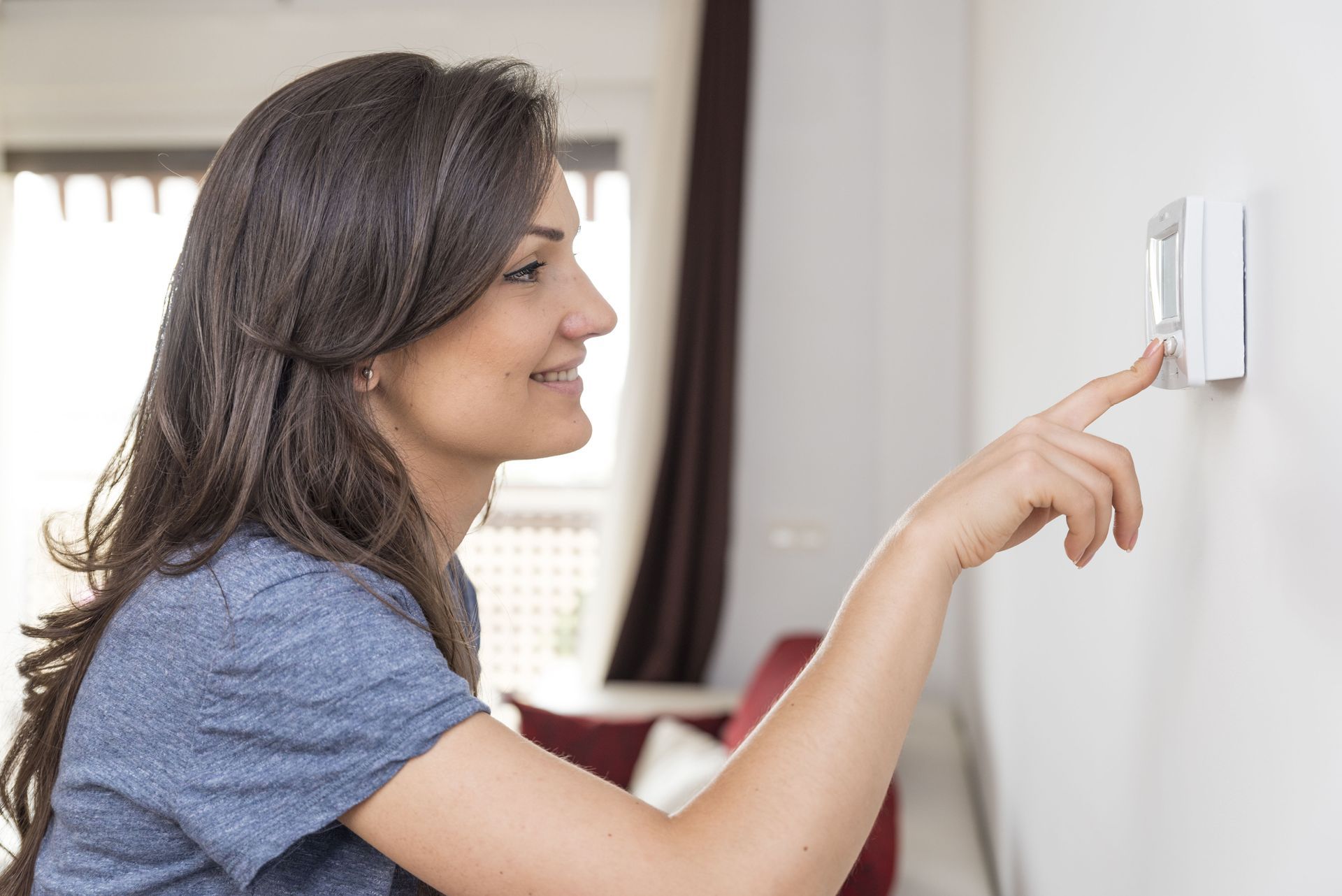
Smart thermostats can also be integrated during HVAC installation to improve control and scheduling. These tools allow homeowners to adjust settings based on daily routines and usage patterns. Over time, this can support more efficient system operation.
Smart Selection Of The Right HVAC System
Review Types Of HVAC Systems
There are several system types available for HVAC installation in residential settings. Central air systems are commonly used for whole-home heating and cooling through ductwork. These systems are often selected for larger homes with existing duct infrastructure.
Ductless mini-split systems are another option for HVAC installation, especially in homes without ductwork. These systems allow for targeted temperature control in individual rooms or zones. This flexibility can support more customized comfort levels throughout the home.
Compare Energy Efficiency Ratings
Energy efficiency ratings help compare system performance during HVAC installation planning. SEER and HSPF ratings are commonly used to evaluate cooling and heating efficiency. These ratings help homeowners understand how systems perform under standard conditions.
Choosing a system with strong efficiency ratings during HVAC installation can support more consistent performance over time. It may also help reduce overall energy use compared to outdated systems. This makes efficiency an important factor in system selection.
Review Brand And System Features
Different HVAC systems offer varying features that can affect HVAC installation decisions. Reviewing specifications and system capabilities helps ensure compatibility with home requirements. Customer feedback can also provide insight into long-term performance.
Some systems include advanced features that integrate with smart home technology. These features can be included during HVAC installation for added convenience and control. This allows homeowners to manage temperature settings more easily.
Check Smart Thermostat Compatibility
Smart thermostats are commonly paired with modern systems during HVAC installation. These devices allow for remote temperature control and scheduling based on daily routines. This added flexibility can improve overall system management.
When compatible, smart thermostats can help optimize heating and cooling performance after HVAC installation. They adjust system operation based on occupancy patterns and usage habits. This can support more efficient system operation over time.
Careful Preparation Of Your Home For Installation Day
Clear The Installation Area
Before HVAC installation begins, work areas should be cleared of furniture and storage items. This allows technicians to move freely and complete tasks more efficiently. Proper access also helps reduce unnecessary delays during the process.
Clear pathways to indoor and outdoor system locations support smoother HVAC installation. This preparation step helps ensure technicians can complete their work without obstruction. It also helps maintain a safer work environment.
Verify Electrical Readiness
Electrical systems may need to be evaluated before HVAC installation to ensure proper capacity. Some homes require circuit or panel upgrades to support new equipment. Addressing this early helps prevent interruptions during installation.
Coordinating electrical readiness ahead of HVAC installation helps ensure the system operates safely once installed. It also reduces the likelihood of delays during the project. Proper preparation supports a more efficient overall process. According to Workyard, delays drive 55% of negative HVAC reviews, making timely service and clear scheduling essential.
Inspect Ductwork Condition
Existing ductwork should be inspected before HVAC installation begins. Issues such as leaks, blockages, or damage can reduce system efficiency. Addressing these problems helps support proper airflow.
Cleaning or sealing ducts prior to HVAC installation can improve overall system performance. This step helps ensure conditioned air is distributed more effectively throughout the home. It also supports more consistent comfort levels.
Secure Pets And Household Members
During HVAC installation, pets and children should be kept away from active work areas. This helps maintain safety and allows technicians to focus on their work. It also reduces the chance of interruptions.
Setting aside a separate space during HVAC installation can help keep the process organized. This preparation step helps minimize distractions and supports a smoother workflow. It also helps maintain a controlled environment for installation work.
Structured Understanding Of The Installation Process
Follow Typical Installation Steps
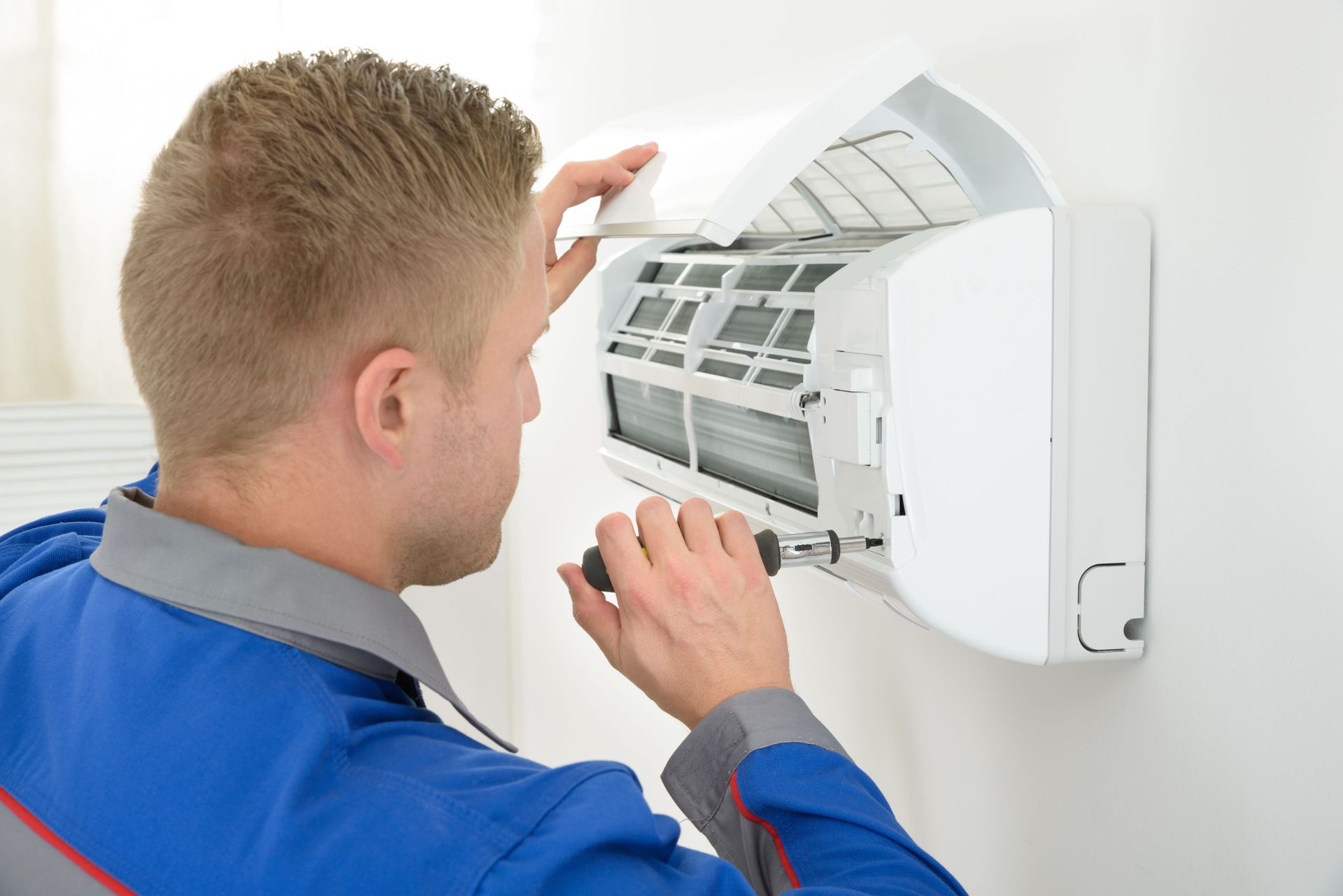
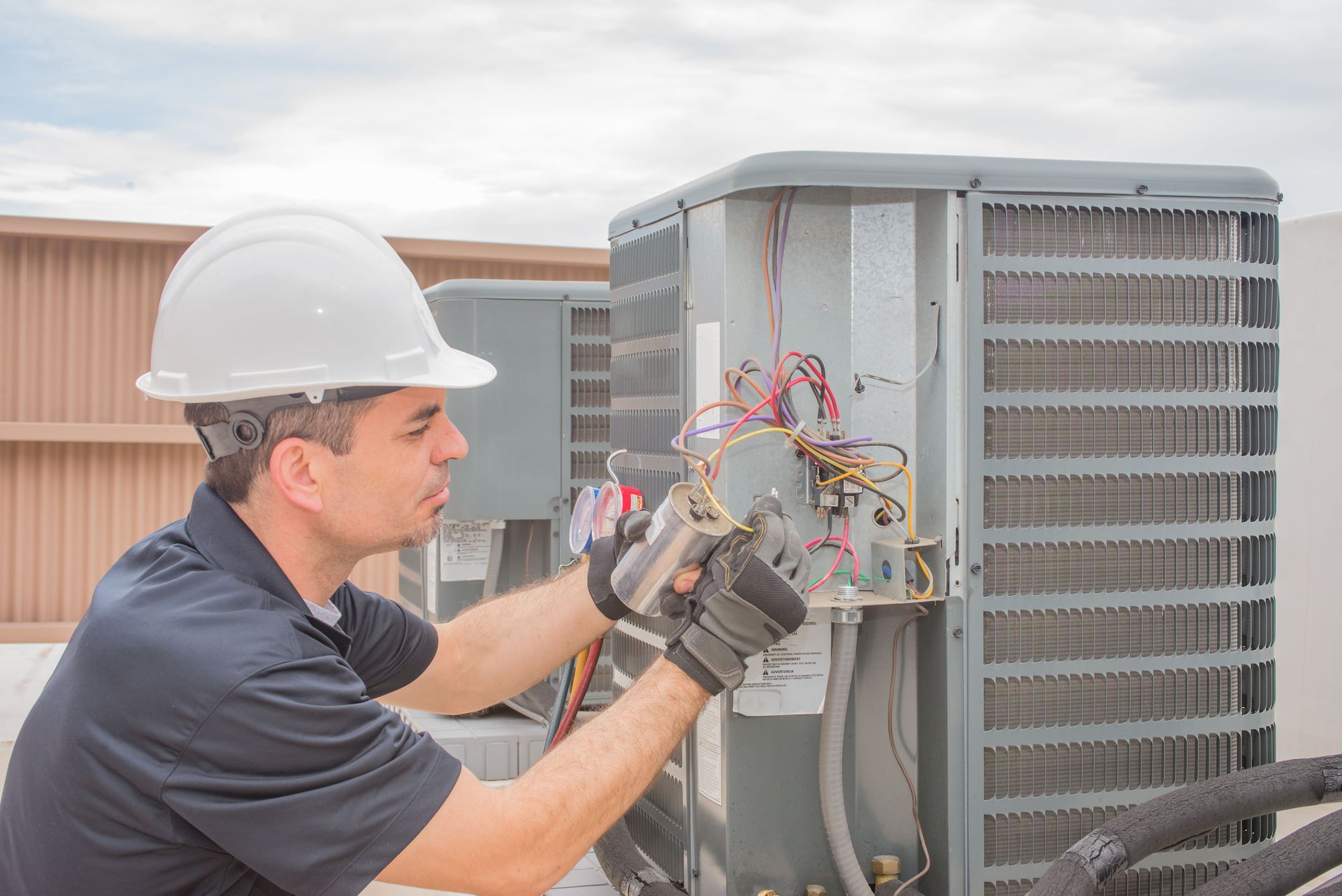
HVAC installation usually begins with preparation of the work area and removal of old equipment if necessary. Technicians then install new system components, including indoor and outdoor units and electrical connections. Each step is completed in sequence to ensure proper setup.
Once HVAC installation is complete, the system is tested to confirm proper operation. Adjustments may be made to optimize airflow and performance. This ensures the system is functioning as intended.
Maintain Communication With Your Installer
Clear communication during HVAC installation helps ensure expectations are aligned. Discussing system preferences and project details in advance helps reduce misunderstandings. This creates a more efficient working relationship.
Ongoing communication during HVAC installation allows for quicker resolution of questions or adjustments. This helps keep the project on track. It also ensures that any concerns are addressed promptly.
Track Installation Progress And Issues
During HVAC installation, any concerns about workmanship or system setup should be addressed promptly. Early communication helps resolve issues before they develop further. This supports a more accurate installation outcome.
Maintaining open communication during HVAC installation helps ensure the system is installed correctly. It also supports proper system operation once completed. This helps protect long-term performance.
Preparing your home for HVAC installation starts with understanding your current system, choosing the right equipment, and making sure your space is ready for the work ahead. Each of these steps helps support a more efficient installation and more consistent system performance over time. Proper planning also helps reduce disruptions during HVAC installation.
Partnering with an experienced HVAC professional can help ensure the system is properly selected and installed to match your home’s specific requirements.
To learn more about professional HVAC installation, maintenance, and system support, Maves HVAC offers residential and commercial heating and cooling services focused on comfort, efficiency, and indoor air quality.






Share On: