What Homeowners Should Know About Air Conditioning System Longevity
Your cooling system works hard every summer to keep your home comfortable, but like any major appliance, it won't last forever. Many homeowners don't think about the age of their AC until it starts struggling on the hottest day of the year. Knowing how long your system should last, what affects its lifespan, and when it may be time for an upgrade can help you plan ahead and avoid costly surprises. Below, we'll cover what homeowners should know about air conditioning system longevity and how to get the most life out of your equipment.
Understanding Typical Lifespans
Every system is different, but there are general timelines that can help you plan. According to This Old House, air conditioners and heat pumps typically last 10 to 15 years, while furnaces often last 15 to 20 years or more with proper care. That means your cooling equipment may need to be replaced sooner than your heating system, even if they were installed at the same time. Where your system falls within that range depends on how well it was installed, how often it runs, and how consistently it's maintained. Knowing the age of your equipment is a helpful first step in planning for the future. If you're not sure how old your system is, the manufacturer's label on the outdoor unit can often give you a clue.
Considering the Jersey Shore Climate
Where you live can have a big impact on how long your equipment lasts. Along the Jersey Shore, hot and humid summers mean cooling systems often run for long stretches at a time. Salt air near the coast can also speed up corrosion on outdoor units, especially on coils, fins, and electrical connections. Over time, that corrosion can reduce efficiency and lead to leaks or component failures. Keeping debris away from the outdoor unit and scheduling regular inspections can help catch these problems early. Homeowners close to the beach may want to pay extra attention to the condition of their outdoor equipment.
Scheduling Regular Maintenance
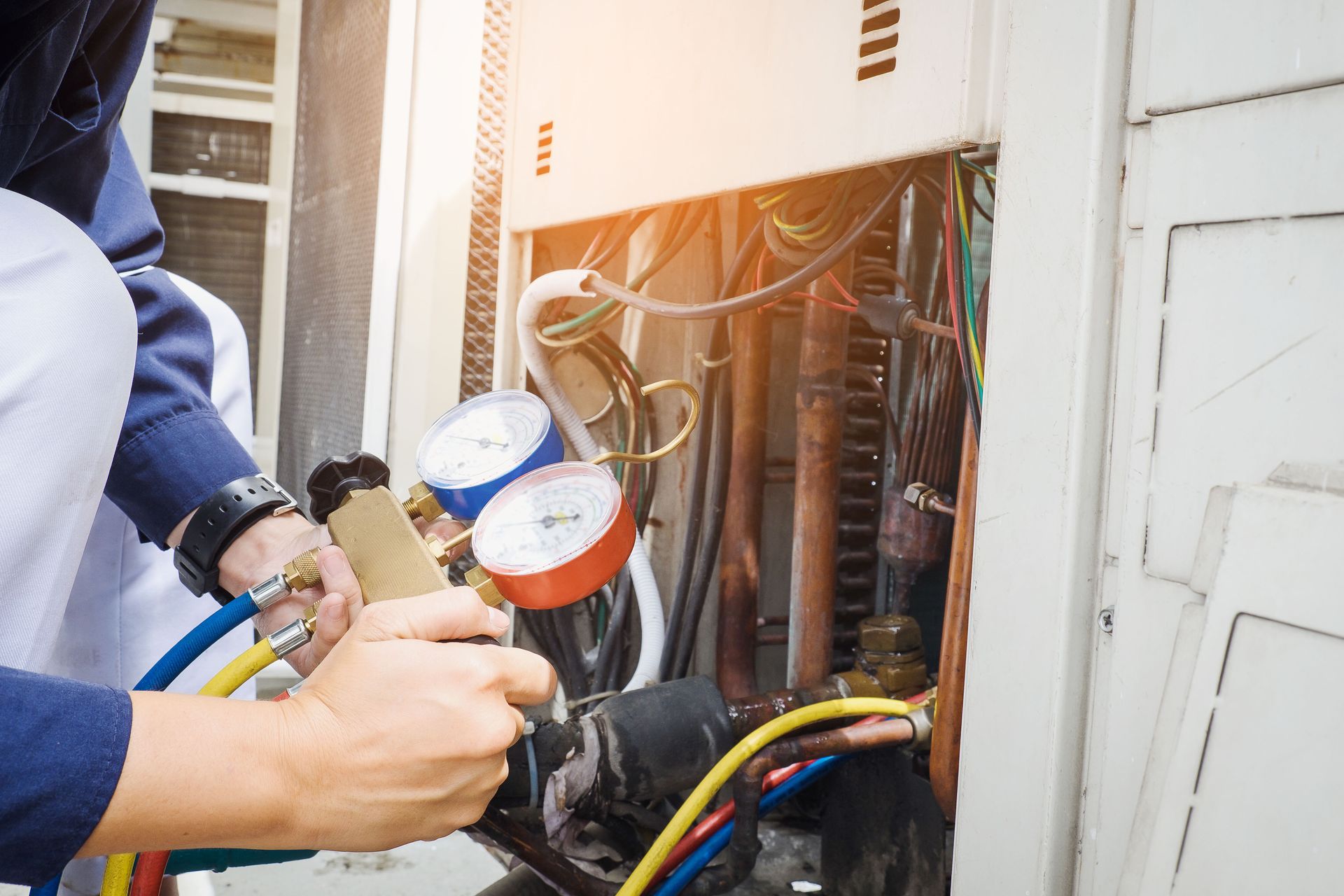
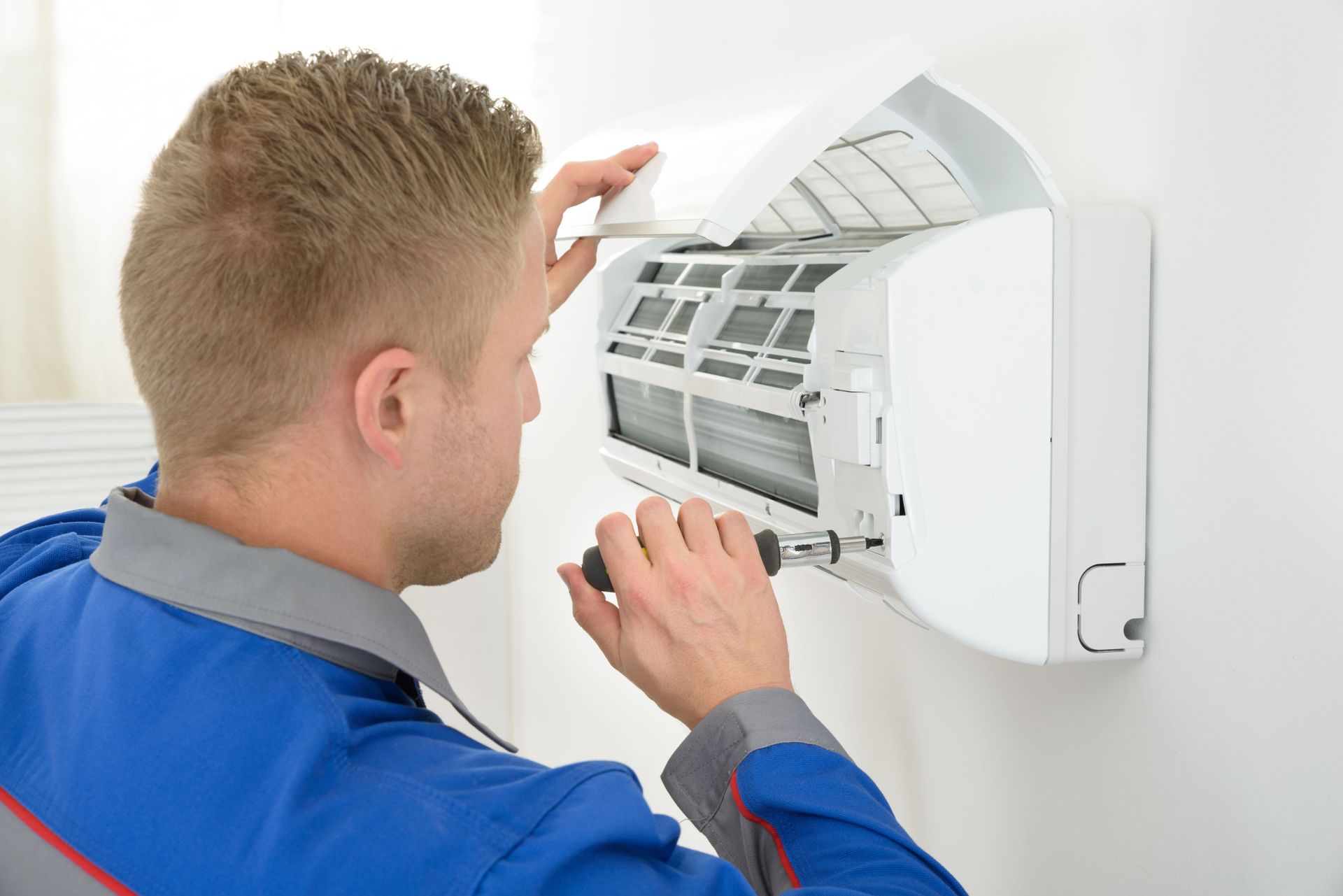
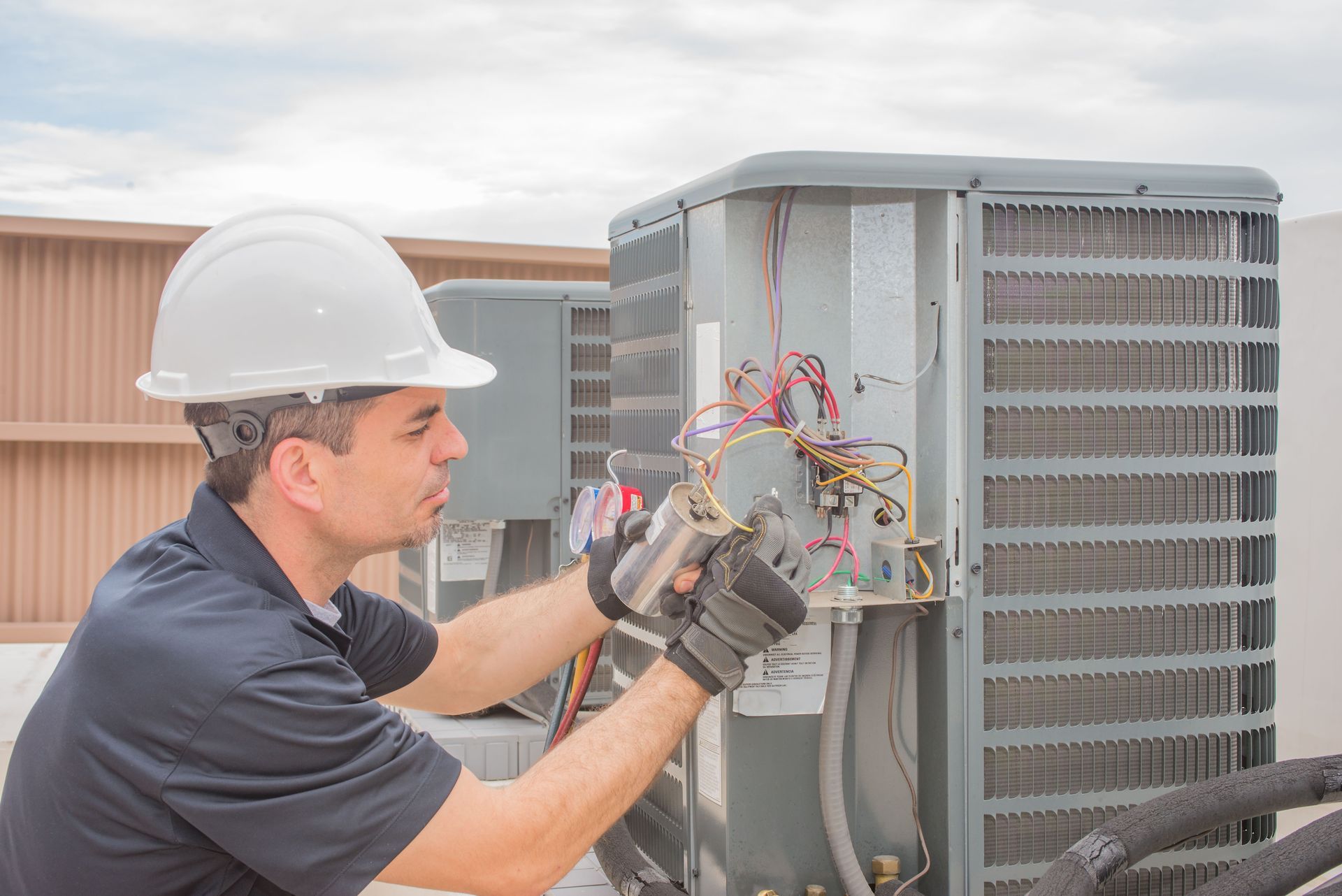
Routine maintenance is one of the best ways to extend the life of your system. During a tune-up, a technician cleans key components, checks refrigerant levels, tests electrical parts, and looks for signs of wear before they turn into breakdowns. Skipping maintenance allows dirt, worn parts, and small issues to build up, which forces your system to work harder than it should. Over time, that extra strain can shorten the life of your equipment. Our maintenance membership includes two visits each year along with priority scheduling, making it easier to keep your air conditioning and heating systems in good shape. Staying on a consistent schedule helps your equipment run efficiently season after season.
Changing Air Filters on Time
A simple air filter has a surprising effect on how long your system lasts. When filters become clogged with dust, pet hair, and debris, airflow is restricted, and your system has to work harder to move air through your home. That added strain can lead to overheating, frozen coils, and extra wear on the blower motor. Dirty filters can also reduce indoor air quality and raise energy bills. Checking your filter monthly and replacing it as needed is one of the easiest ways to protect your equipment. Homes with pets or heavy summer use may need more frequent changes.
Installing the Right Size System
Proper sizing plays a major role in system longevity. A unit that's too large may cool your home quickly but turn on and off too often, a problem known as short cycling. That frequent cycling causes extra wear and can leave your home feeling humid. A unit that's too small may run almost constantly and still struggle to keep up on hot days. Both situations can shorten the life of your equipment and increase energy costs. Professional load calculations during installation help match your new air conditioning system to the size and layout of your home.
Keeping the Outdoor Unit Clear
Your outdoor unit needs plenty of airflow to release heat from your home. Leaves, grass clippings, overgrown shrubs, and debris can block the coils and make the system work harder. Keeping at least a couple of feet of clear space around the unit allows air to move freely. It's also a good idea to keep fences, sheds, and other structures from crowding the equipment. After storms, check for branches or debris that may have landed on or near the unit. A clean, clear outdoor unit runs more efficiently and is less likely to break down.
Watching for Signs of Aging
As your system gets older, it may start showing signs that it's nearing the end of its life. Rising energy bills, uneven cooling, longer run times, and frequent repairs are all common red flags. You might also notice strange noises, musty odors, or higher humidity levels inside your home. Systems that use outdated refrigerants can also become more expensive to repair as those refrigerants become harder to find. Paying attention to these changes helps you plan instead of reacting to a sudden breakdown. A professional inspection can help determine whether your system has more years left or is due for replacement. Keeping a simple record of repairs and service visits can also make it easier to track how your air conditioning system is holding up over time.
Weighing Repair Versus Replacement
When your system needs a repair, it's natural to wonder whether it's worth fixing or time to replace it. If your equipment is relatively young and the repair is minor, fixing it usually makes sense. However, if your system is near the end of its expected lifespan and needs frequent or expensive repairs, replacement may be the better investment. Newer systems are often more energy efficient, which can help lower monthly utility bills. Comfort, reliability, and peace of mind also play a role in the decision. An experienced technician can help you compare the costs and benefits of each option for your home.
Planning an Upgrade Before It Fails
Waiting until your system breaks down completely can leave your family uncomfortable during the hottest part of the year. Emergency replacements also give you less time to compare options and plan your budget. If your system is approaching the 10- to 15-year mark, it may be wise to start thinking about an upgrade before problems arise. Planning ahead allows you to choose the right equipment, schedule installation at a convenient time, and explore financing options. A new air conditioning system can provide better comfort, improved efficiency, and greater reliability for years to come. Taking a proactive approach helps you stay comfortable no matter how hot the summer gets.
At Maves HVAC, we're a family-owned company with more than 35 years of experience serving homeowners throughout Monmouth and Ocean Counties, including Point Pleasant, Toms River, Brick Township, Manasquan, Belmar, Brielle, and Spring Lake. Our fully licensed and insured technicians provide
air conditioning installation, maintenance, and repair, along with heating services and 24/7 emergency support. We work with trusted brands like Goodman, Rheem, Ruud, Lennox, and Carrier, and we offer financing, same-day service when available, and a 30-day no-breakdown guarantee. Military members and seniors can also save 10% on all services. Contact Maves HVAC today to request your free estimate.



Share On: